Exploring the captivating evolution of casinos through history
Exploring the captivating evolution of casinos through history
The Origins of Gambling and Early Casinos
The concept of gambling can be traced back thousands of years, with evidence found in ancient civilizations such as China, Egypt, and Rome. These early forms of gaming included rudimentary betting on various outcomes, often tied to events like chariot races or the roll of dice. The social aspect of gambling in these cultures was significant, fostering community interaction and often intertwining with religious or cultural practices. Today, modern platforms like the Daman Game APK India continue this tradition by providing accessible gaming experiences.
As societies evolved, so did the nature of gambling. The Greeks and Romans formalized betting through the development of more structured games, such as dice and betting on athletic competitions. This laid the groundwork for a more organized gaming environment, eventually leading to the establishment of the first casinos. During the Renaissance, gambling became more popular in Europe, with the emergence of establishments that catered specifically to gaming, like the famous Casino di Venezia in Italy.
These early casinos were far from the glamorous establishments we know today. They served as social hubs where people could gather, enjoy music, and partake in games of chance. The transition from informal betting to organized gaming marked a significant milestone, shaping the landscape for future casino developments around the world. Thus, the origins of gambling reveal a rich tapestry of human interaction and cultural significance.
The Rise of Modern Casinos in the 19th Century
The 19th century marked a pivotal moment in the evolution of casinos, particularly with the establishment of legalized gambling in several European countries. Monte Carlo, in Monaco, became synonymous with luxury and high-stakes gaming. The Casino de Monte-Carlo, which opened in 1863, not only attracted the wealthy elite but also set a benchmark for design, opulence, and entertainment within casinos. This era saw the introduction of various games, such as roulette and blackjack, which would become staples in gaming establishments.
In America, the development of the casino industry took a different route. The Gold Rush of the mid-1800s spurred a surge in gambling, especially in places like Nevada. The first legal casino, the Nevada Gambling Act of 1931, laid the groundwork for Las Vegas, which would eventually become the gambling capital of the world. This transition was fueled by the influx of tourists eager to enjoy the vibrant nightlife and opportunities for gaming.
The 19th century’s casino evolution was not limited to architecture and gaming options; it also reflected societal changes. The integration of women into gambling spaces started to gain momentum, challenging traditional norms. This era established a foundational blueprint for the modern casino landscape, combining entertainment, luxury, and gaming, and setting the stage for the rapid growth that would follow in the 20th century.
The Impact of Technology on Casino Evolution
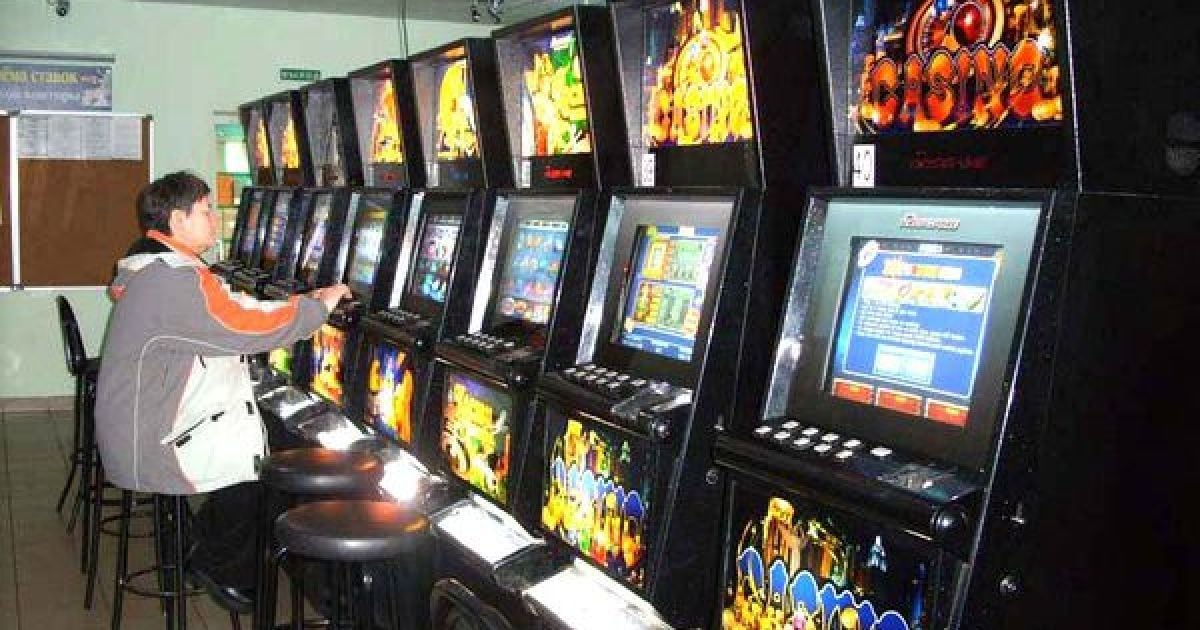
The advent of technology has profoundly transformed the casino industry over the last few decades. The introduction of electronic gaming machines in the late 20th century marked a significant shift. Slot machines quickly became a favorite among gamblers, providing a fast-paced gaming experience and requiring little skill. This technology also ushered in more complex gaming systems, enabling casinos to offer a wider variety of gaming options that appealed to different demographics.
As the internet emerged in the 1990s, online casinos began to flourish, providing unprecedented access to gaming from the comfort of home. This shift drastically altered the landscape of gambling, as players could engage in gaming activities without the need to visit a physical location. The rise of mobile gaming further accelerated this trend, allowing users to play anywhere, anytime, reshaping how the younger generation interacts with casinos.
The integration of technology has not only expanded the reach of casinos but has also introduced innovative features that enhance user experience. Virtual reality and augmented reality are now being explored to create immersive gaming environments. Additionally, advancements in security technology have improved the safety and integrity of online gambling, fostering trust among players in an otherwise anonymous digital space.
The Cultural Influence of Casinos in Society
Casinos have played a significant cultural role in societies around the globe, often serving as symbols of extravagance and entertainment. Their portrayal in films and literature has cemented their status as exciting venues where fortunes can be won or lost in an instant. Classic movies like “Casino Royale” and “The Hangover” have depicted casinos as not only places of gambling but as vibrant social centers that encapsulate the allure of risk and reward.
Moreover, casinos often reflect the cultural values and social dynamics of the regions they inhabit. For example, in Las Vegas, casinos are designed to be immersive experiences, filled with extravagant performances, fine dining, and themed attractions. This cultural approach draws visitors from all walks of life, contributing significantly to the local economy and tourism industry.
However, the cultural impact of casinos is not solely positive. They have faced criticism regarding gambling addiction and the socio-economic ramifications for local communities. Discussions around responsible gaming and the implementation of support systems for those affected have become essential in balancing the excitement of gambling with its potential risks. The conversation continues to evolve as society grapples with the complex relationship between gambling, culture, and responsible consumption.

Conclusion: The Future of Casinos
The future of casinos appears promising, as they continue to adapt to changing societal trends and technological advancements. With the growing acceptance of online gaming and sports betting, traditional casinos are expanding their offerings to include these popular forms of entertainment. This convergence of online and offline gaming experiences is likely to shape the next chapter in casino evolution.
Furthermore, as casinos increasingly focus on creating comprehensive entertainment complexes, they are poised to attract a broader audience. These establishments now offer a range of amenities, including hotels, restaurants, and live performances, catering to both gamblers and those seeking leisure activities. This diversification reflects an understanding of consumer preferences and the need to create memorable experiences beyond just gaming.
As the casino industry moves forward, it will undoubtedly face challenges, including regulatory changes and competition from new entertainment forms. However, the enduring appeal of gambling and the unique social experiences provided by casinos ensure their relevance in the future. The ongoing evolution of casinos demonstrates a fascinating interplay between tradition, innovation, and the human desire for risk and reward.
